
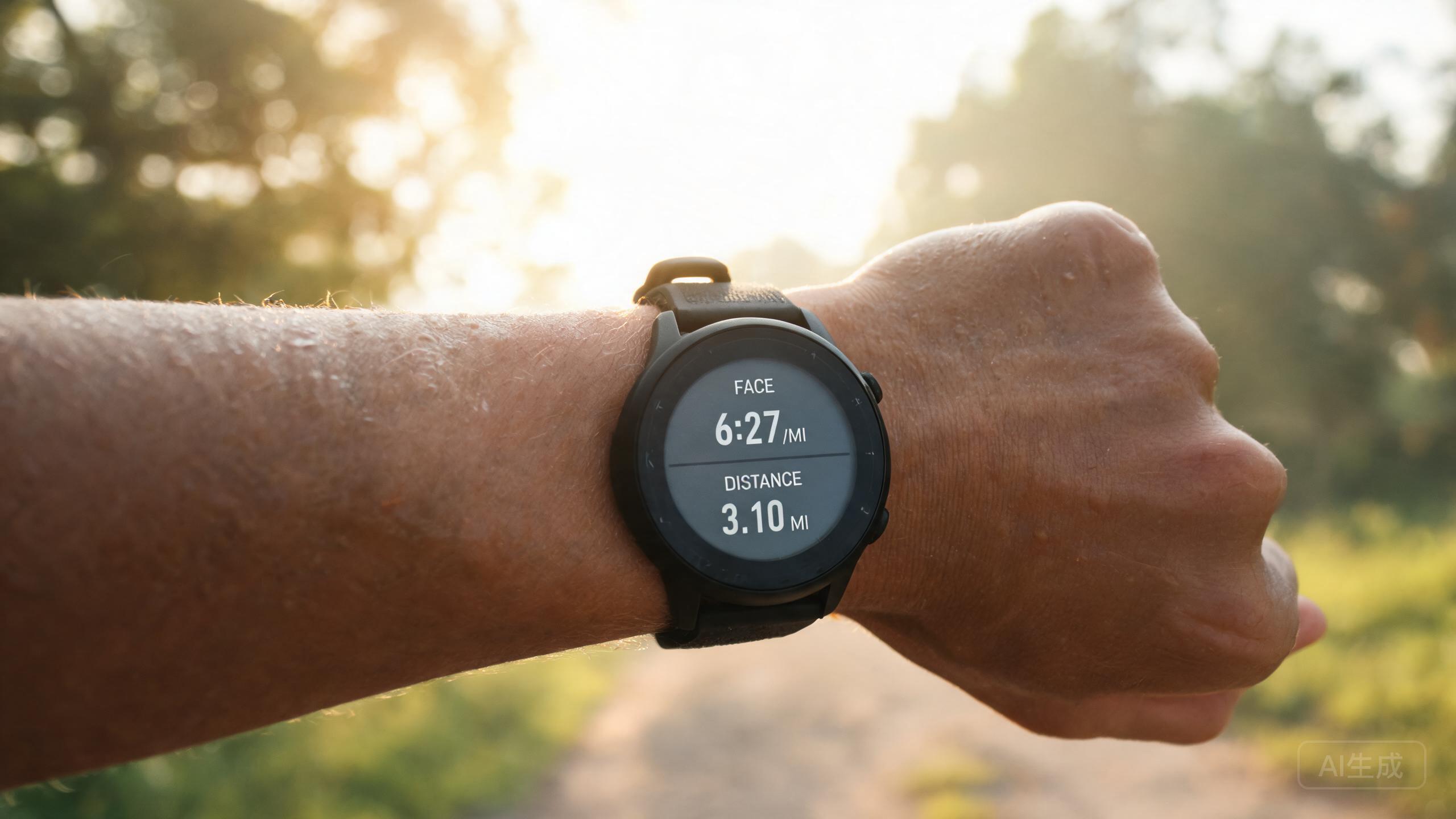
A dedicated running watch earns its place on your wrist by giving you pace, distance, and guidance at a glance — and by keeping the battery alive for the longest runs of your life.
GPS accuracy and battery
Modern multi-band GPS locks fast and tracks tight even between city buildings and under tree cover. Battery matters for long runs and races — look for enough capacity to comfortably finish your distance with GPS on.
Training features that matter
Daily suggested workouts, race predictions, and recovery time help you train smarter. If you follow a plan, a watch that adapts recommendations to your fitness is worth far more than a longer spec list.
For race day
Pace alerts, lap tracking, and a clear data screen become tools on race day. The right watch fades into the background so you can focus on the run.
Our recommended picks
Garmin Forerunner 265
The sweet spot of AMOLED display, training depth, and battery.
Coros Pace 3
Superb value with long battery and accurate multi-band GPS.
Garmin Forerunner 965
Full-featured training with maps for serious distance runners.
The verdict
The Forerunner 265 balances features and price for most runners, the Coros Pace 3 is the value pick, and the Forerunner 965 adds maps for dedicated athletes.
✓ Pros
- Accurate multi-band GPS
- Long battery for long runs
- Adaptive training guidance
✗ Cons
- Running watches get expensive
- Overkill for casual joggers
- Small learning curve for features