
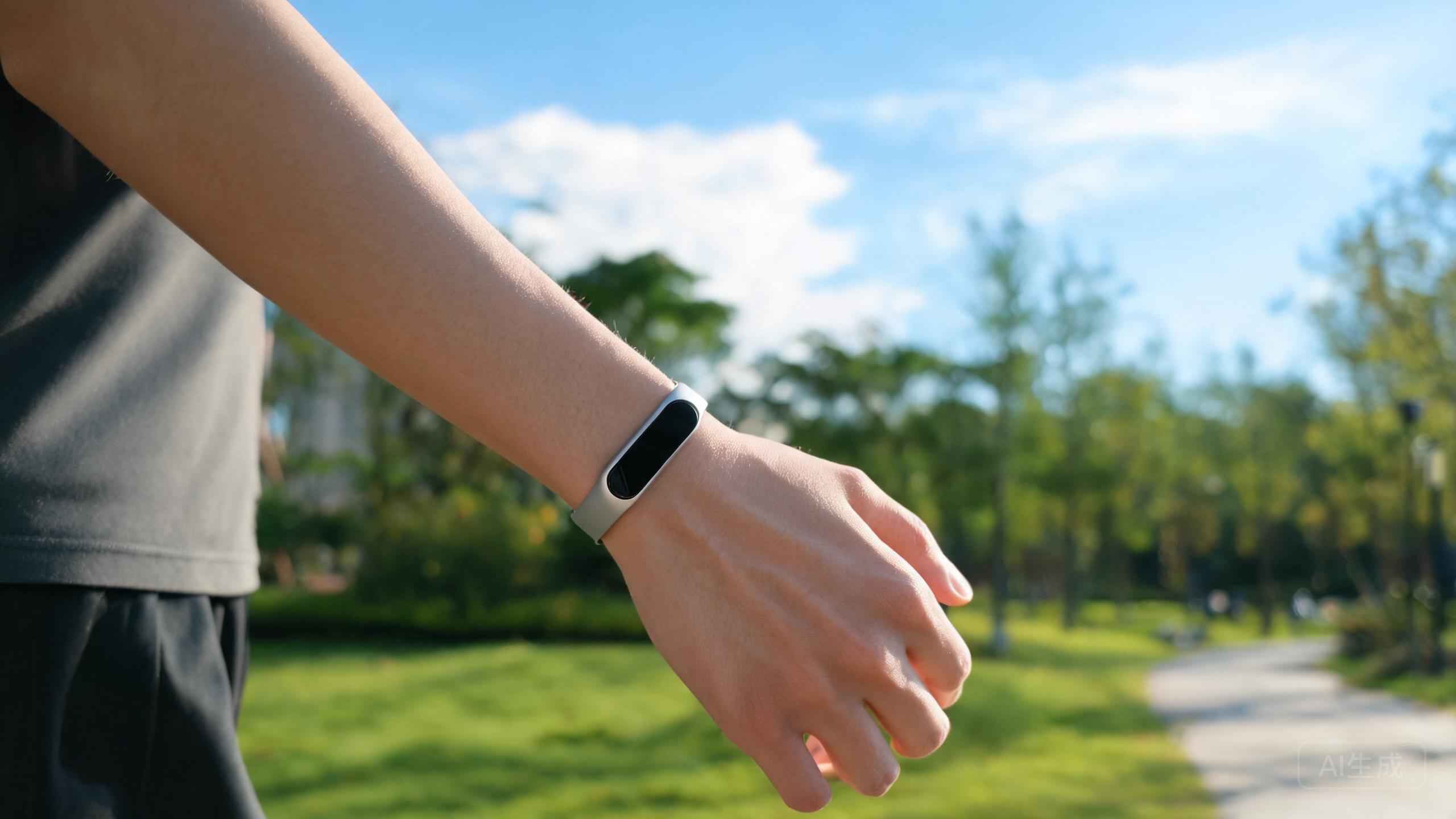
A fitness tracker strips away everything except the essentials: steps, sleep, heart rate, and activity. That focus — and the week-long battery — makes them the perfect first step into wearable health.
What a band does best
Affordable, feather-light, and forgettable on the wrist, trackers quietly build good habits. They count steps accurately enough, log sleep stages, and nudge you to move — without the cost and daily charging of a smartwatch.
Where bands fall short
Smaller screens mean fewer notifications and no real apps. GPS is often borrowed from your phone rather than built in. For serious training data or rich notifications, you'll eventually want a smartwatch.
Choosing your first one
Look for automatic activity detection, a clear always-on option, and a companion app you'll actually check. Battery life of a week or more means you'll wear it at night, which is where the best sleep data comes from.
Our recommended picks
Fitbit Charge 6
A friendly, well-rounded tracker with excellent app support.
Xiaomi Smart Band 9
Incredible value with a bright screen and long battery.
Garmin vivosmart 5
A slim, durable band with Garmin's dependable health tracking.
The verdict
The Fitbit Charge 6 is the best all-round starter, the Xiaomi Smart Band 9 is the budget king, and the vivosmart 5 suits Garmin loyalists.
✓ Pros
- Week-long battery
- Light and comfortable
- Inexpensive entry into health tracking
✗ Cons
- No real apps
- Small screens
- GPS often requires a phone