
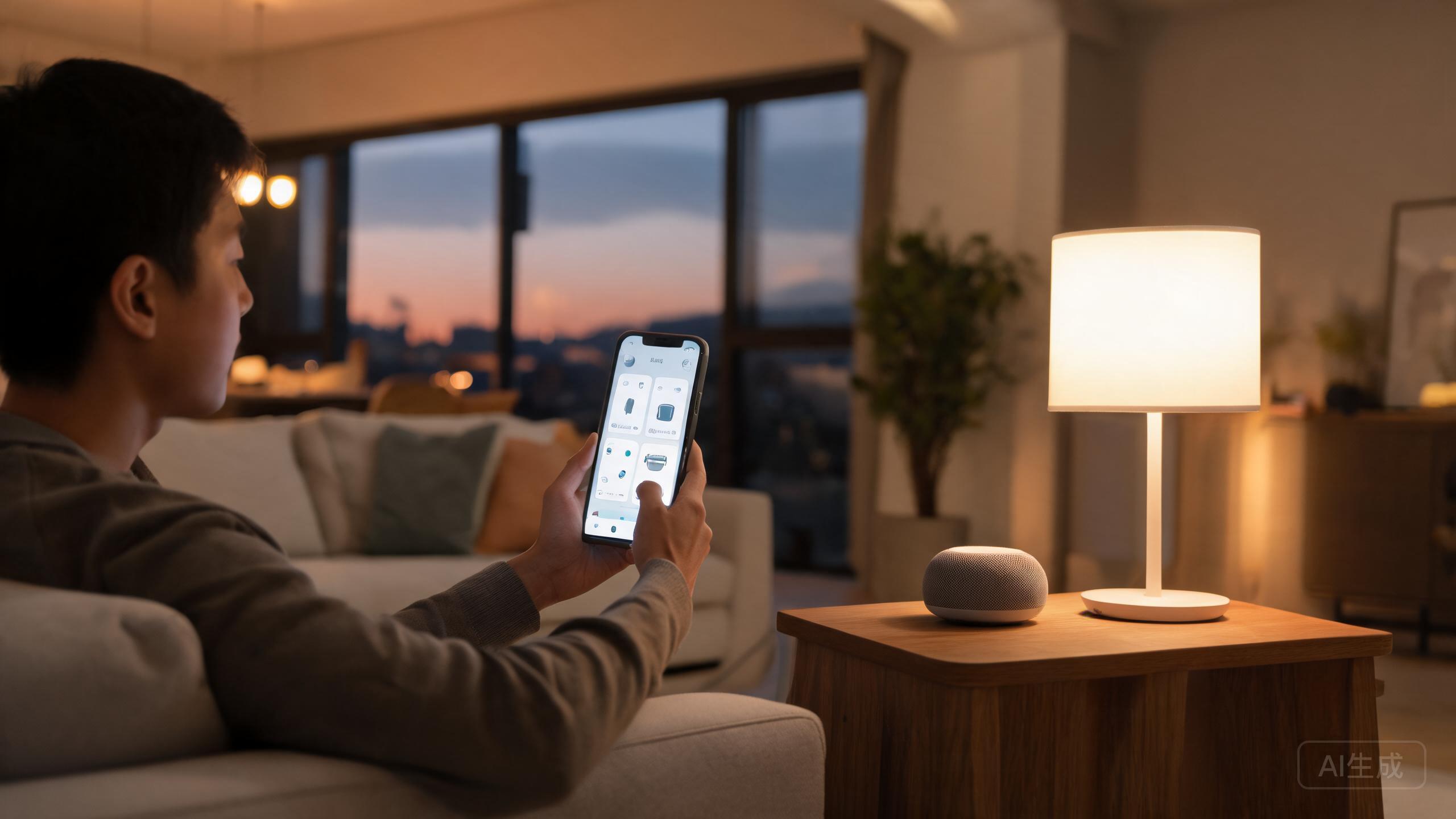
The biggest mistake first-time smart home builders make is buying random gadgets that don't talk to each other. A little planning up front — one assistant, one protocol, one app — saves a lot of frustration later.
Pick one voice assistant
Choose Alexa, Google, or Apple HomeKit and build around it. This keeps voice control consistent and means every device is controllable from one app. Most devices support all three, but a few are exclusive, so decide first.
Understand the protocols
Matter and Thread are becoming the common language of the smart home, letting devices from different brands work together. When shopping, prefer Matter-compatible products for future-proofing and reliable, local control.
Start with three devices
Begin with a smart speaker hub, one or two smart bulbs, and a smart plug. That trio teaches you the ecosystem's rhythms — routines, schedules, and voice commands — before you invest in bigger equipment like cameras or thermostats.
Our recommended picks
Amazon Echo Show 8
A smart display hub that doubles as a control center and video screen.
Google Nest Hub (2nd Gen)
A clean Google-powered display that manages your whole setup.
Philips Hue Starter Kit
Reliable bulbs that anchor your lighting from day one.
The verdict
Pick an assistant, favor Matter-compatible gear, and start with a smart display, a bulb or two, and a plug — you'll build a cohesive system instead of a drawer of mismatched gadgets.
✓ Pros
- Cohesive, easy-to-control system
- Future-proof with Matter
- Low-cost way to learn the ropes
✗ Cons
- Locking into one assistant
- Protocol choices can confuse
- Setup time adds up