
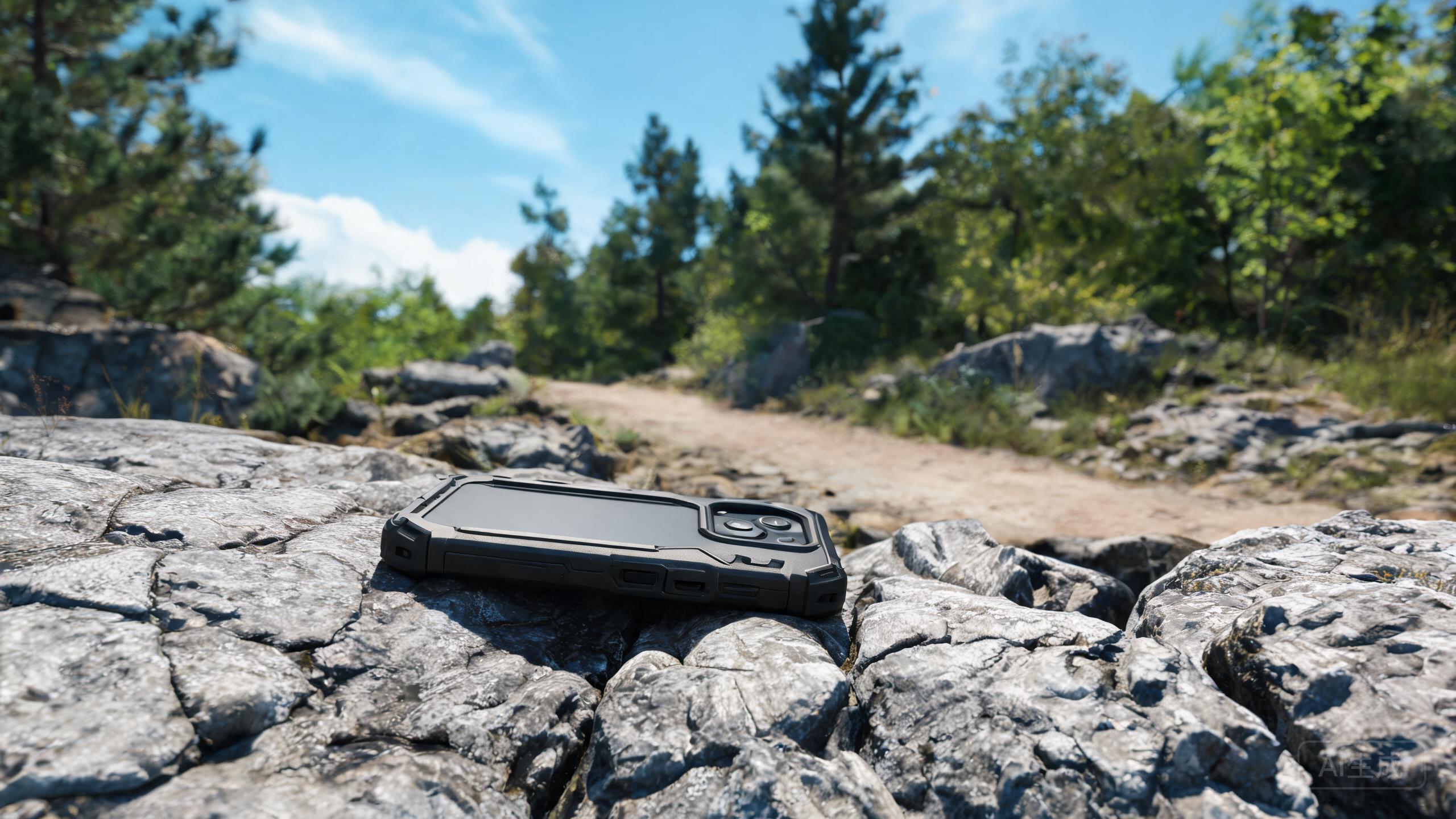
If your phone has ever bounced off concrete or drowned in a downpour, you already know why rugged phones exist. They trade sleekness for the ability to survive the environments most phones can't.
What rugged actually means
Look for an IP68 or IP69K rating plus a MIL-STD-810G/H drop rating. IP69K matters if you work around water jets or wash the phone down. A removable battery and a programmable button are genuinely useful on a job site.
The trade-offs
Rugged phones are thicker, heavier, and rarely match mainstream flagships on camera or screen sharpness. Performance is usually a step behind too, since the priority is durability and battery, not raw speed.
Who needs one
Field technicians, delivery drivers, hikers, and parents of very determined toddlers are the classic buyers. If you drop your phone more than once a year, the switch usually pays for itself after the first saved screen.
Our recommended picks
Samsung Galaxy XCover7
A rugged workhorse with a removable battery and a programmable key.
Ulefone Armor 27 Pro
Massive battery and thermal features for demanding environments.
CAT S75
Built for the roughest sites, with satellite messaging for off-grid safety.
The verdict
For most outdoor workers the XCover7 hits the right balance of durability and everyday usability; the Armor and CAT options go further for the harshest conditions.
✓ Pros
- Survive drops, dust, and water
- Huge batteries and removable cells
- Useful hardware buttons and grippy builds
✗ Cons
- Heavy and thick
- Weaker cameras than mainstream phones
- Performance trails flagships