
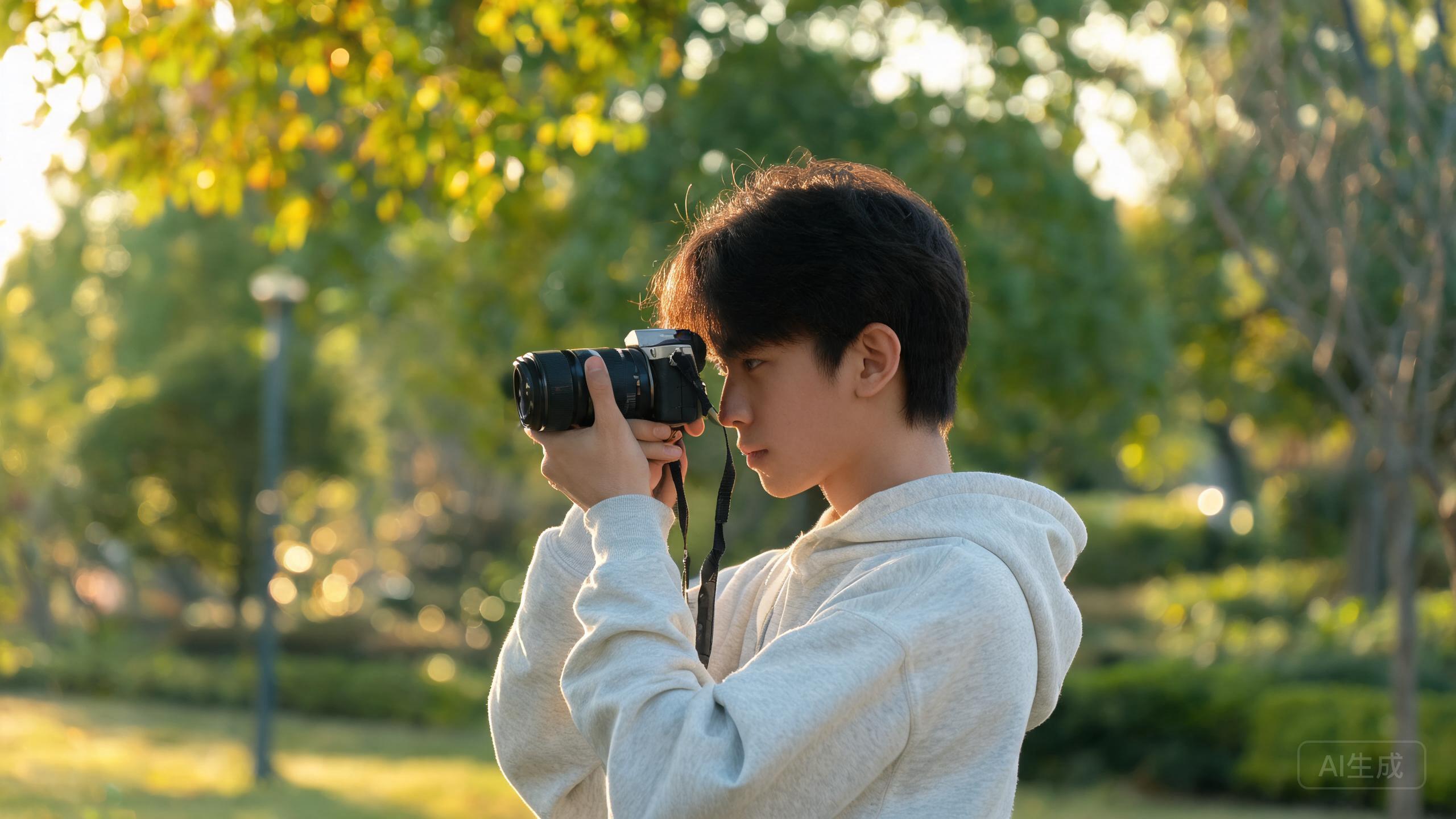
The leap from phone photography to a dedicated camera is the single biggest upgrade you can make to your images. A beginner mirrorless camera gives you real control without overwhelming you.
What mirrorless gets you
Interchangeable lenses, larger sensors, and true control over focus and exposure produce images your phone simply can't match — especially in low light and at distance. Mirrorless designs are lighter and preview your shot live.
Sensor and lens matters
An APS-C sensor is the sweet spot for beginners — noticeably better than a phone without the cost of full-frame. The kit lens is fine to start; your first prime lens will be the next real upgrade.
Ease of learning
Look for an approachable menu system, good in-body stabilization, and helpful auto modes that let you ease into manual control. A tilting screen and clear viewfinder make learning genuinely enjoyable.
Our recommended picks
Sony a6400
Fast autofocus and a huge lens library in a compact body.
Fujifilm X-T50
Gorgeous film-simulation colors and tactile physical dials.
Canon EOS R50
Beginner-friendly controls with excellent image quality.
The verdict
The Sony a6400 is the safe all-rounder, the Fujifilm X-T50 delights with colors and dials, and the Canon R50 is the friendliest entry point.
✓ Pros
- Big leap over phone photos
- Interchangeable lenses
- Lightweight modern bodies
✗ Cons
- Steeper learning curve
- Lenses add ongoing cost
- Less pocketable than a phone or compact